A commercial HVAC system is one of the most important investments a business can make in its building infrastructure. It affects comfort, air quality, energy efficiency, and even day-to-day productivity. However, when installation is done incorrectly, the system can quickly become a major financial burden instead of a reliable asset.
Many businesses don’t realize they’re dealing with installation issues until utility bills rise, comfort complaints increase, or breakdowns become frequent. These are often early signs of poor HVAC installation that point to deeper problems within the system. From improper sizing to faulty electrical connections, these mistakes can quietly drain thousands of dollars over time.
By following professional commercial HVAC energy efficiency tips, such as ensuring proper duct sealing and precise refrigerant charging, you can avoid these preventable drains on your revenue. Working with a professional for commercial HVAC installation can help ensure systems are designed, installed, and optimized correctly from the start.
In this article, we’ll break down the most common commercial HVAC installation errors that cost businesses money, and how to avoid them before they turn into expensive long-term problems.
1. Incorrect System Sizing (Oversized or Undersized Units)
One of the most frequent errors is failing to perform accurate load calculations. Some contractors rely on “rules of thumb” based on square footage alone. However, modern commercial spaces require a nuanced approach, such as Manual N or equivalent commercial load methodologies.
The Problem with Oversized Systems
Many believe that “bigger is better,” but an oversized unit causes short cycling. This leads to extreme wear on the compressor and premature failure. Furthermore, the system won’t run long enough to remove humidity, leaving the building clammy and prone to mold.
The Problem with Undersized Systems
An undersized unit will run constantly to meet the thermostat’s demands. This puts immense strain on every component. You will face frequent breakdowns and an inability to maintain comfort during peak weather months.
2. Poor Ductwork Design and Installation
Ductwork is the “vascular system” of your building. Even an efficient rooftop unit (RTU) will fail if the ductwork is poorly designed.
- Leaky Ducts: Improperly sealed joints can leak up to 30% of conditioned air. You are essentially paying to heat or cool ceiling voids rather than your office.
- Restricted Airflow: Sharp turns or crushed flex-ducts create static pressure issues. This forces the blower motor to work harder, increasing noise and energy consumption.
- Pressure Imbalances: Poorly designed return paths create “hot spots.” This leads to uneven temperatures that frustrate tenants and staff.
3. Improper Refrigerant Charging
A commercial HVAC system is designed to operate with a very specific refrigerant charge. This is often overlooked during the chaos of a construction site.
Effects on Equipment
- Undercharging: This causes the evaporator coil to freeze. The compressor will then overheat as it tries to compensate.
- Overcharging: Too much refrigerant can lead to “slugging.” This occurs when liquid refrigerant enters the compressor, potentially destroying it instantly.
50% to 67% of all air conditioners suffer from improper charge or airflow problems. In the field, this causes systems to operate 10% to 20% less efficiently than they were designed to. For a commercial facility, this doesn’t just shorten the equipment’s lifespan; it adds hundreds of dollars to monthly utility bills for cooling that you aren’t actually receiving.
4. Inadequate Ventilation Planning
Indoor air quality (IAQ) is no longer optional. Commercial buildings must adhere to strict ASHRAE guidelines for fresh air intake to ensure a healthy environment.
Business Risks
Failing to plan for ventilation leads to “Sick Building Syndrome.” This causes headaches and fatigue among occupants. For a business, this results in reduced productivity and potential liability claims. Many installers fail to calibrate the economizer, leading to a stuffy building or excessive energy use.
5. Faulty Electrical Connections and Controls
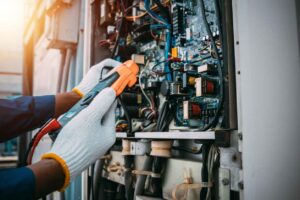
Commercial systems involve complex high-voltage wiring and sensitive control circuits. A single loose wire can cause intermittent failures that are expensive to troubleshoot.
Control Strategy Errors
Installing a thermostat near a heat source causes the system to cycle incorrectly. Furthermore, modern Building Automation Systems (BAS) require precise integration. If the controls are not mapped correctly, your “smart” building will waste thousands in potential energy savings.
6. Skipping or Rushing System Commissioning
Commissioning involves testing, adjusting, and balancing (TAB) a new system. It ensures the unit performs as the engineers intended. Unfortunately, it is often the first thing cut to meet a deadline.
“A system that hasn’t been commissioned is just a collection of expensive parts.”
Skipping this step leads to performance gaps. These “hidden costs” usually emerge months later when the system fails during the first major heatwave.
7. Improper Equipment Placement
Where you put the equipment matters as much as what you buy. Placement errors often lead to long-term operational strain.
Common Placement Mistakes
- Lack of Clearance: Crowding units prevents proper airflow across coils. This forces the system to work harder to reject heat.
- Accessibility Issues: If a technician cannot reach a filter or belt easily, your maintenance labor costs will double.
- Environmental Exposure: Placing units where they are pelted by debris or salt air leads to rapid corrosion.
8. Ignoring Building Envelope Factors
An HVAC system is part of a larger ecosystem. This includes the roof, windows, and insulation levels.
| Building Factor | HVAC Impact |
| Roof Insulation | Low R-values increase the heat load, requiring more cooling power. |
| Window Sealing | Leaks allow humidity to enter, causing longer run times. |
| Reflective Roofing | Dark roofs absorb heat, increasing ambient air temperature around RTUs. |
If your installer doesn’t coordinate with roofing or insulation professionals, the system will be mismatched for the building’s thermal performance.
9. Lack of Zoning and Controls Strategy
Commercial spaces are rarely uniform. A server room has different needs than a sun-drenched lobby. A common mistake is a “one-size-fits-all” approach to temperature control.
By failing to implement a zoning strategy, businesses over-cool unoccupied spaces. Proper zoning uses dampers and multiple sensors to direct air where it is needed. This can significantly reduce energy consumption—often in the range of 10% to 30%, depending on building design and usage patterns.
Read more about How Does HVAC Zoning Work?.
10. Hiring Unqualified or Inexperienced Installers
The “low bid” is often the most expensive bid in the long run. Commercial HVAC technology evolves rapidly. Installers without proper certifications often rely on outdated, inefficient methods.
The Risk of Poor Workmanship
Poor brazing leads to refrigerant leaks, while improper gas line installation creates safety risks. Additionally, many manufacturers void warranties if the system was not installed by a licensed professional according to specific guidelines.
11. Failure to Plan for Maintenance Access
Maintenance is the key to HVAC longevity. However, many installations make it nearly impossible to perform. When components like drain pans or motors are blocked by piping, routine tasks are neglected.
This neglect leads to a “death spiral” for equipment. Ensure your installer leaves at least 36 inches of clear space around all service panels to keep labor costs low.
12. Overlooking Local Codes and Compliance Requirements
Every municipality has specific codes regarding structural support and environmental regulations. Failing to secure permits or pass inspections results in heavy fines. It may even lead to forced rework where you pay a second contractor to fix the first one’s mistakes.
How These Mistakes Add Up Financially
Individually, each of these errors can seem minor. However, their combined impact is where businesses feel the real financial strain.
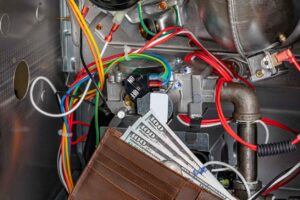
Higher energy bills, increased maintenance costs, premature equipment replacement, and operational downtime can easily add up to thousands, or even tens of thousands, of dollars over the life of the system. In some cases, businesses are forced to replace entire systems years earlier than expected due to cumulative installation-related issues.
The hidden cost of poor installation is not just equipment failure; it is long-term inefficiency that continuously drains operating budgets.
How to Avoid These Costly HVAC Installation Mistakes
Avoiding these headaches starts with due diligence. Follow these steps to ensure a high-quality installation:
- Verify Credentials: Hire contractors with proven commercial experience.
- Demand Design Documentation: Review load calculations and ductwork design before work begins.
- Prioritize Commissioning: Make performance testing a non-negotiable contract item.
- Integrated Approach: Ensure communication between your HVAC, electrical, and roofing teams.
- Invest in Quality: Do not skimp on the controls or materials used for sealing.
Signs Your Installation Needs a Professional Inspection
Look for these warning signs after a new installation:
- Uneven Temperatures: Some rooms are freezing while others are stifling.
- Rising Energy Bills: Utility costs are significantly higher than the previous year.
- Frequent Repairs: You are calling a technician more than twice a year.
If you notice these issues, it is time for a system audit. Proper inspections can often correct installation errors before they cause permanent damage.
Secure Your Facility with Total System Services
A commercial HVAC system is a vital asset, but its value depends on the quality of its installation. From proper sizing to code compliance, every detail matters. The mistakes highlighted here are common, but they are also entirely preventable with the right expertise.
At Total System Services (TSS), we bring over 30 years of excellence to the Pacific Northwest. Our NATE-certified technicians are trusted by world-class brands as well as major property management firms. By bridging the gap between high-level engineering and boots-on-the-ground technical precision, we ensure your equipment operates at peak efficiency from day one.
Choosing a partner who understands the integration of building systems is the best way to ensure long-term ROI. Don’t let a “cheap” installation turn into a multi-thousand-dollar mistake.
Protect your building’s efficiency today. Schedule a comprehensive system evaluation with Total System Services to ensure your HVAC installation meets the highest industry standards.